
Review by Tingou Liu
From China to the world, vertical micro-dramas are becoming one of the fastest growing forms of entertainment on mobile platforms. Not only are they well-produced, but these short dramas are also perfect for viewers who are looking for entertainment without the time commitment. It offers a more efficient way to consume media in a digital world defined by constant content turnover.
A vertical micro-drama is a short-form video series, with episodes ranging from 60 to 90 seconds, with 60 to 80 episodes total, filmed for vertical watching on your smartphone. Each episode has dramatic plot twists and ends in a deliberate hook, luring viewers into watching the next one.
Audiences no longer need to sit in front of a television – they can enjoy these micro-dramas simply by endlessly scrolling.
Like long-form streaming, vertical micro-dramas have a wide variety of genres, including romance, revenge, fantasy, family conflict and supernatural.
Suddenly, you’re watching a princess reborn for revenge, a rich heiress adored by her three older brothers, or a poor student pursued by a billionaire CEO. Before you know it, you might be ten episodes deep into a story about someone who can predict the future.
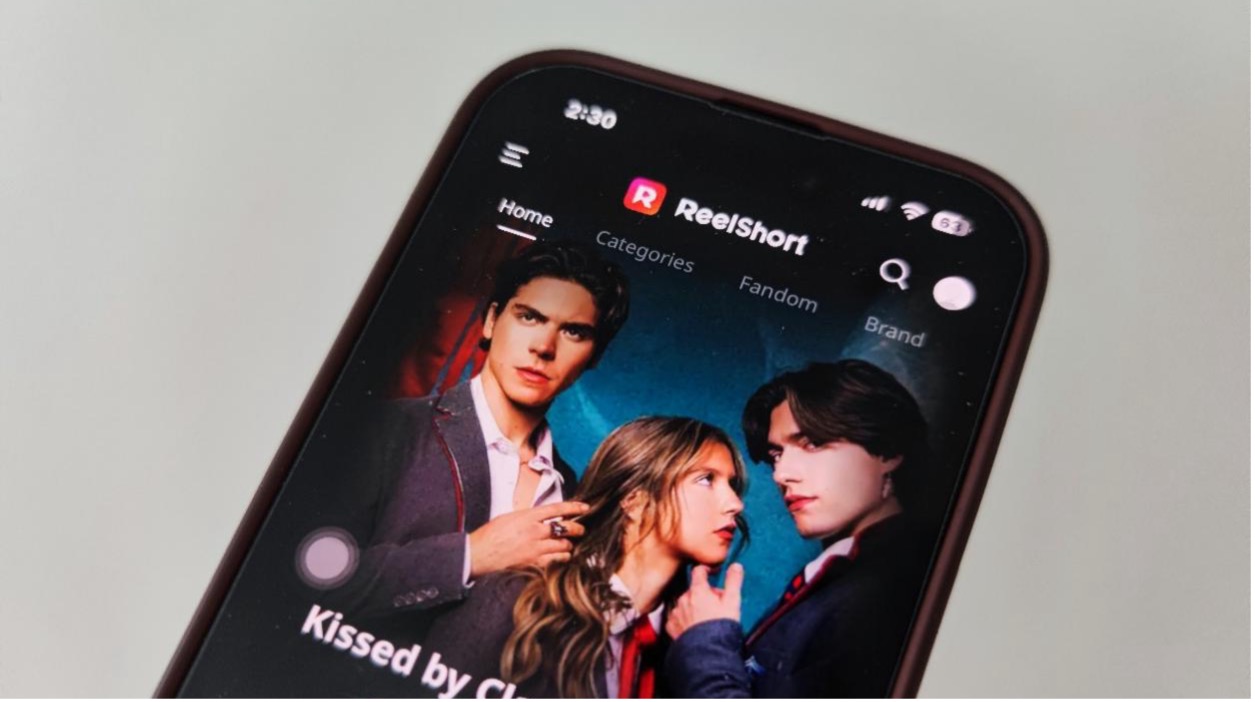
In China, Douyin and Kuaishou began rapidly expanding their micro-drama businesses around 2020. Platforms such as ReelShort and DramaBox have also gained significant popularity in overseas markets, while TikTok has reportedly started testing micro-drama features this year. Investors and production companies are beginning to realize that this format may be more than just another form of short-form video content – it could represent a whole new entertainment ecosystem.
Cheap, free and highly entertaining
Interestingly, what would normally be criticized in longer TV series becomes a feature in vertical micro-dramas. Unlike traditional TV dramas, there is little time for complex narrative buildup. The plots in vertical micro-dramas move quickly and the conflicts are simple and direct.
Characters in vertical micro-dramas tend to have bold and exaggerated personalities. Villains are usually one-dimensional, while heroes are selfless and almost too perfect. Therefore, main characters in micro-dramas always react intensely and confront problems directly, creating quick emotional payoffs and instant satisfaction for their audience.
In a scroll-driven digital culture, it is perhaps unsurprising that social media platforms are creating stories designed for smartphone viewing.
High smartphone ownership rate has reshaped our media habits, encouraging constant scrolling and vertical screen browsing. Algorithm-driven social media platforms and easy sharing mechanisms have established ready-made distribution channels and audiences built for vertical micro-dramas.
For some younger audiences, traditional long-form dramas are becoming harder to commit to. Their slower pacing and significant time investment may no longer suit lifestyles increasingly fragmented by study, work, and social media.
Some studies have suggested that audiences are becoming more accustomed to consuming content through scrolling, rapid switching, and fragmented viewing habits – and are increasingly willing to pay for this emerging form of entertainment.
A long-form drama may require months of filming, complex scene coordination, and lengthy post-production, whereas vertical dramas resemble a new kind of content industry built for the rhythm of the mobile internet. An entire series can be produced in weeks rather than months in small production studios. With the help of ready-made sets and monetisation models based on advertising investment or platform revenue sharing, these dramas can be produced quickly and efficiently. Short production cycles and low costs are among some of their biggest commercial advantages.
My Love-Hate Relationship with Micro-Dramas
I don’t always enjoy watching them, though. Since each episode is a minute, sometimes I find myself mindlessly scrolling to the next episode, unable to stop. Especially when I’m lying in bed at night and only mean to check my messages. Before I realise it, I’ve watched dozens of episodes and it’s suddenly past midnight. Although the constant cliffhangers keep me watching until the end, I’m often left with a strange mix of guilt and emptiness after putting down my phone. I’ve realised just how easily this kind of content distorts my sense of time.
The more we get used to vertical micro-dramas, the harder it is for us to focus on long-form storytelling. We start to crave instant answers and quick narrative payoffs. As a result, we may become less patient with complex characters and morally ambiguous situations, which could affect how we see people in real life.
The positive impact of the small screen
On the other hand, this emerging industry is creating lots of opportunities for young people. For example, micro-drama actors, vertical cinematographers, scriptwriters and digital marketing specialists are all career paths that Gen Z can explore. With shorter production times and simpler setups, doors start to open for people wanting to join the film industry without the traditional barriers.
The flexibility of vertical micro-dramas for their audiences also cannot be ignored. Traditional TV dramas can be well over 10 seasons, weaving together intricate storylines and introducing new characters, but they require commitment from viewers. With life being so busy, sometimes it’s hard to carve out time for these longer narratives. Vertical micro-dramas remove that barrier. For example, I can watch 5 episodes quickly and continue whenever I want without needing to sit down for an hour at a time.
Perhaps, a few years from now, we may look back and realize that vertical micro-dramas were not merely a passing trend, but a sign of how the smartphone age is reshaping the way stories are meant to be watched. For better or worse, it’s a space to keep an eye on.
Tingou Liu is completing her Masters of Publishing and Communication at the University of Melbourne. She likes detective dramas and podcasts. Recently, she has been studying a financial philosophy book, which is an area she is completely unskilled in.
Leave a Reply